

Transcranial Magnetic Stimulation (TMS)
When your mind has been under strain for too long, it can affect your energy, focus, resilience, and ability to feel fully present in your life.
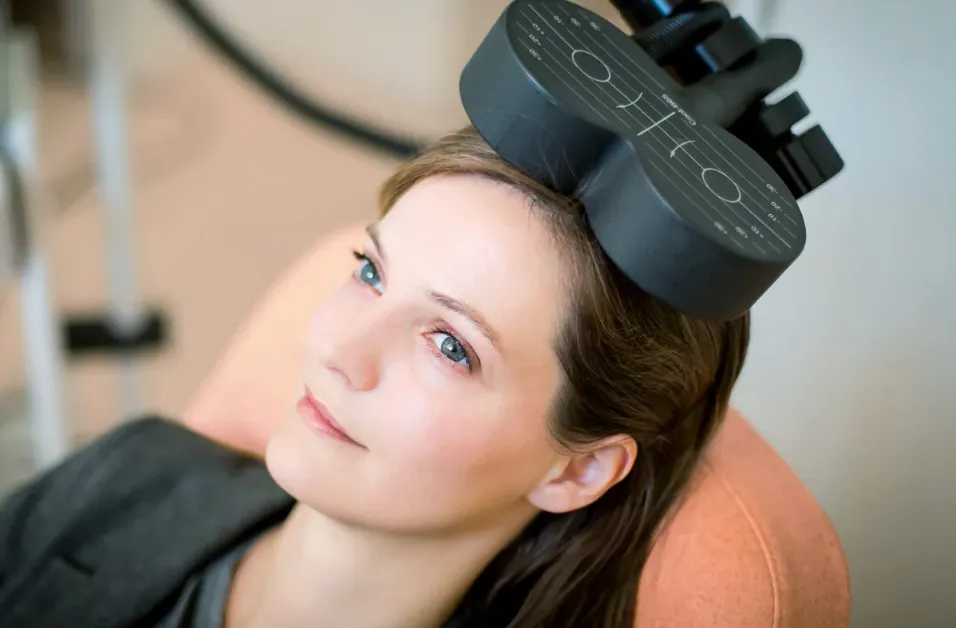
TMS is a gentle, non-invasive, and drug-free treatment that helps stimulate healthier brain activity in areas often affected by depression, anxiety, OCD, chronic pain, and trauma-related symptoms.
At Lucid, TMS is offered through a steady, supportive treatment process that is designed to help you regain clarity, rebuild resilience, and begin feeling more like yourself again.
Why Choose Transcranial Magnetic Stimulation (TMS with Lucid Therapeutics
Fast Reset
TMS “resets” brain activity patterns linked to depression, OCD, and other mental health or mood conditions.
Non-Invasive
This painless, FDA-approved treatment is administered in-office, where you will be awake throughout.
Insurance Coverage
TMS is covered by most major insurance carriers, making treatments very affordable.
Best for patients experiencing:
Treatment-resistant depression, OCD, PTSD, anxiety, and chronic pain.

34%
Of patients report full remission of their depression after the full treatment course.

*Source:
Herald
60%
Of those with treatment-resistant depression experience a positive response to TMS treatment.
*Source:
Harvard Health Publishing
Process
TMS treatment at Lucid Therapeutics follows a structured, physician-led process designed for safety, precision, and continuity of care. Each step—from medical assessment and mapping through daily treatment sessions and optional taper support—is personalized to your needs and guided by ongoing clinical oversight from Dr. Remi Drozd and the Lucid Care Team.
1. Getting Started
Medical Assessment
The process starts with a medical assessment, led by Dr. Remi Drozd. During this session, Dr. Drozd will determine if TMS is an appropriate option for you, based on your unique needs and goals. Plus, you will have a brief consultation with a partnering psychiatrist to help shape your treatment plan.
2. Mapping and Treatment Session
60-Minute Mapping and Treatment Session:
Attend a one-time mapping session, which ensures the TMS cap is properly fitted for your treatment sessions. Once the cap is fitted and mapped to your needs, you will also have your first TMS treatment.
3. Treatment sessions
30 sessions TMS Treatment Sessions
Attend your TMS sessions, which will be administered by the Lucid Care Team. Sessions are held daily, Monday through Friday, for the first six weeks. You will be awake and alert throughout your TMS session, and there is no downtime after sessions. Someone will remain in the room with you throughout your session.
4. Taper Sessions
Taper Sessions
Some patients benefit from a series of short taper sessions after their main course of TMS is completed. These taper sessions usually last 1 - 2 weeks and are geared at helping you ease the transition from daily treatment.
FAQs
FDA-approved uses of TMS include: Major depressive disorder (MDD); treatment-resistant depression; and OCD. Emerging uses of TMS include: Anxiety; PTSD; bipolar depression; chronic pain; and other neurological or psychiatric conditions (research is ongoing).
No. Unlike ECT, TMS does not involve anesthesia, electricity, or memory loss. TMS is an outpatient procedure with minimal side effects, and patients remain fully awake and alert.
Most patients receive TMS five (5) days per week for a duration of 4–6 weeks. Some patients may benefit from booster sessions later, depending on response. Dr. Drozd will determine the best TMS plan for your unique needs.
The most commonly reported side effects are mild and temporary, and can include scalp discomfort or headache at the treatment site; a tingling or tapping sensation during treatment; and in some cases, mild fatigue after the session. Serious side effects are rare but may include seizure (<0.1% risk). Dr. Drozd will screen you for safety before starting.
TMS may be a good option if you are struggling with depression, OCD, or other conditions but have not found relief with medications or therapy, or if you prefer a non-drug, non-invasive treatment approach. Dr Drozd will do a thorough evaluation to confirm if TMS is a good fit for your unique needs and goals.
It is not always necessary to stay on medication after TMS treatment. Some patients reduce or stop medications, while others continue to take them. Dr. Drozd will develop an individualized treatment plan for your current symptoms and medications, as well as your treatment goals.
TMS generates magnetic pulses that pass painlessly through the skull and stimulate nerve cells in the prefrontal cortex — the part of the brain responsible for mood, decision-making, and behavior. This stimulation helps “retrain” brain pathways to function more effectively.
TMS sessions are approximately 20–40 minutes in length. You will sit in a comfortable chair while a magnetic coil is placed near your head. You can expect to feel a light tapping on your scalp for the duration of the session. You can read, listen to music, or relax during your session.
Every patient’s timeline is unique for experiencing improvement. Many patients begin to feel better within the first 2–4 weeks. Full benefits from TMS therapy may take the entire treatment course.
Yes! TMS is non-sedating. You can immediately drive yourself home from your treatment and resume work, school, and other normal activities.
Most major insurers (including Medicare) cover TMS for treatment-resistant depression, and on occasion, they will also cover TMS treatment for OCD. Coverage for other conditions may depend on your insurance plan and medical history. The Lucid team can help verify benefits and obtain prior authorization before you begin treatment.
Get started with our expert mental health & longevity treatments in Santa Barbara
