

Ketamine Therapy
When emotional pain has become deeply familiar, it can feel like you are constantly living inside the same thoughts, feelings, and patterns.
Ketamine therapy interrupts those entrenched patterns by creating space for the brain to respond differently, reducing symptoms of depression, anxiety, PTSD, and chronic pain while creating greater emotional flexibility.
At Lucid, ketamine therapy is offered in a carefully supported, medically supervised setting where treatment is paired with integration, so the experience becomes a meaningful catalyst for lasting healing.
.jpg)
Why Choose Ketamine Therapy with Lucid Therapeutics
Rapid Relief
Positive changes in mood and pain symptoms can be seen after a short series of ketamine treatments.
Safe Support
Treatment is administered in-office by a licensed nurse or doctor, and there are minimal side effects.
Unique Approach
Our integrative care focus enables you to gain insights from treatment and apply them to your life.
Best for patients experiencing:
Depression, major depressive disorder, treatment-resistant depression, depressive symptoms with suicidal thoughts or actions, PTSD/PTSI, and anxiety.


Process
Ketamine therapy at Lucid Therapeutics follows a structured, physician-guided process that integrates medical care with therapeutic support. From assessment and preparation through treatment, integration, and ongoing sessions, each step is designed to ensure safety, intention, and meaningful integration of your experience.
1. Getting Started
Medical Assessment
The process starts with a medical assessment, led by Dr. Remi Drozd. During this session, Dr. Drozd will determine the most appropriate treatment modality for you, Intramuscular (IM) or IV ketamine, based on your unique needs.
2. Preparation
Preparation Session with Integration Coach
Meet with your Integration Coach for a 50-minute preparation session where you will align on your goals and intentions for treatment, as well as discuss how to best prepare for your treatment.
3. Treatment sessions
Two-Hour IM or IV Treatment Sessions
Experience your ketamine treatment session, administered intramuscularly or intravenously by a licensed nurse or doctor. Your Integration Coach will remain in the room with you throughout your session.
4. Post- treatment
Post-Treatment Integration Sessions
Following your ketamine treatment session, you will meet with your coach for an integration session. This 50-minute session will help you process your ketamine experience and incorporate insights into your life.
5. Ongoing
Ongoing Treatments and Integration
Most patients will repeat this process for six (6) rounds of ketamine treatments, with integration sessions held between treatments. This treatment cycle ensures you are optimally supported to reach your goals.
Patients Stories
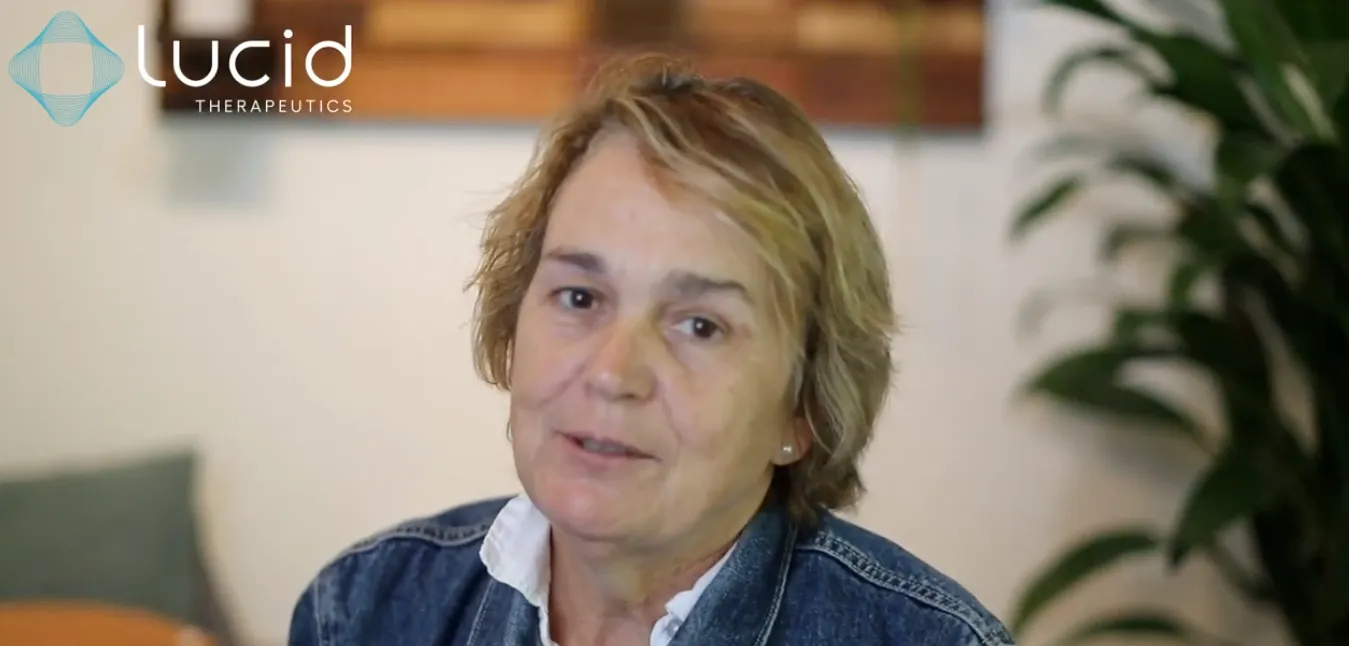
Real experiences from patients who found relief and renewed agency through their care at Lucid Therapeutics. Each story reflects a personal journey toward healing, guided by compassionate, evidence-based treatment and ongoing support.
FAQs
Intravenous (IV), Intramuscular (IM), and Intranasal Spravato ketamine therapy have extensive research showing them to be effective in treating: Post-traumatic stress disorder (PTSD); depression; suicidal ideation; social anxiety disorder; palliative care; eating disorders; substance use disorders; generalized anxiety disorder; obsessive-compulsive disorder (OCD); migraines; neuropathic pain; complex regional pain syndrome (CRPS).
Each ketamine therapy treatment lasts two hours. This includes time to relax in the space prior to treatment, as well as time to briefly connect with your integration coach before and after treatment.
When IM or IV ketamine therapy is utilized, six (6) ketamine treatments are recommended, in conjunction with paired integration sessions. This six-treatment cycle is usually spread over the course of 12 weeks. Spravato treatments are recommended to be held twice a week for the first four weeks, and once a week thereafter. Your personalized care plan will outline the recommended course of treatment that optimally supports your unique needs.
Physical side effects from ketamine therapy are mild, and do not occur in every patient. Nausea, vertigo and headaches are the most common, and can be treated in-session. Other side effects can include an increase in blood pressure and heart rate, some respiratory depression, or simply a larger degree of mental dissociation than expected. Dr. Drozd screens each patient for these risk factors, but in the event that they do occur, stopping the experience, and/or treating them with medications are always options. These side effects generally do not persist and usually last between 5 and 15 minutes. Most people report feeling lethargic in the hours after their treatment, but the feeling dissipates as ketamine is metabolized and eliminated from the body. There have been virtually no long-term side effects reported by practitioners.
No. There is no preparation required beyond attending your medical assessment and preparation session, both of which are held prior to your first treatment.
Intramuscular (IM) ketamine therapy is an injection into the upper part of the arm. Whereas, IV ketamine therapy is treatment through an intravenous drip. Both treatments are safe and effective for providing patients with the same effect during treatment. Dr. Drozd will work with you to determine the best method of ketamine treatment for your unique needs.
Patients who receive ketamine treatments often report that they feel positive effects on the day they start, and that relief is sustained well after the medicine has been metabolized and eliminated by the body. Positive changes are incredibly subjective, and success looks different to each patient, but feeling better can take the form of subtle changes in your day-to-day function which may lead to improvements to your mood or pain. These effects have been seen to last anywhere from a few hours to several weeks after treatment. It is important to note that ketamine is not a cure for these disorders/symptoms, but it can be used as a tool for long-term management, and to drive change and transformation.
Currently IM and IV ketamine treatments are not covered by insurance. The good news is that Spravato is covered by most insurance providers. Lucid offers a variety of affordable payment options, including Care Credit. The Lucid Care Team can walk you through details during your Intake Call.
No. Ketamine is not considered addictive in the way that opioids, stimulants, or alcohol are. Ketamine does not cause physical dependence, withdrawal, or compulsive drug-seeking when used under medical supervision. The main risk comes from recreational misuse at high doses, not from therapeutic use.
Get started with our expert mental health & longevity treatments in Santa Barbara
